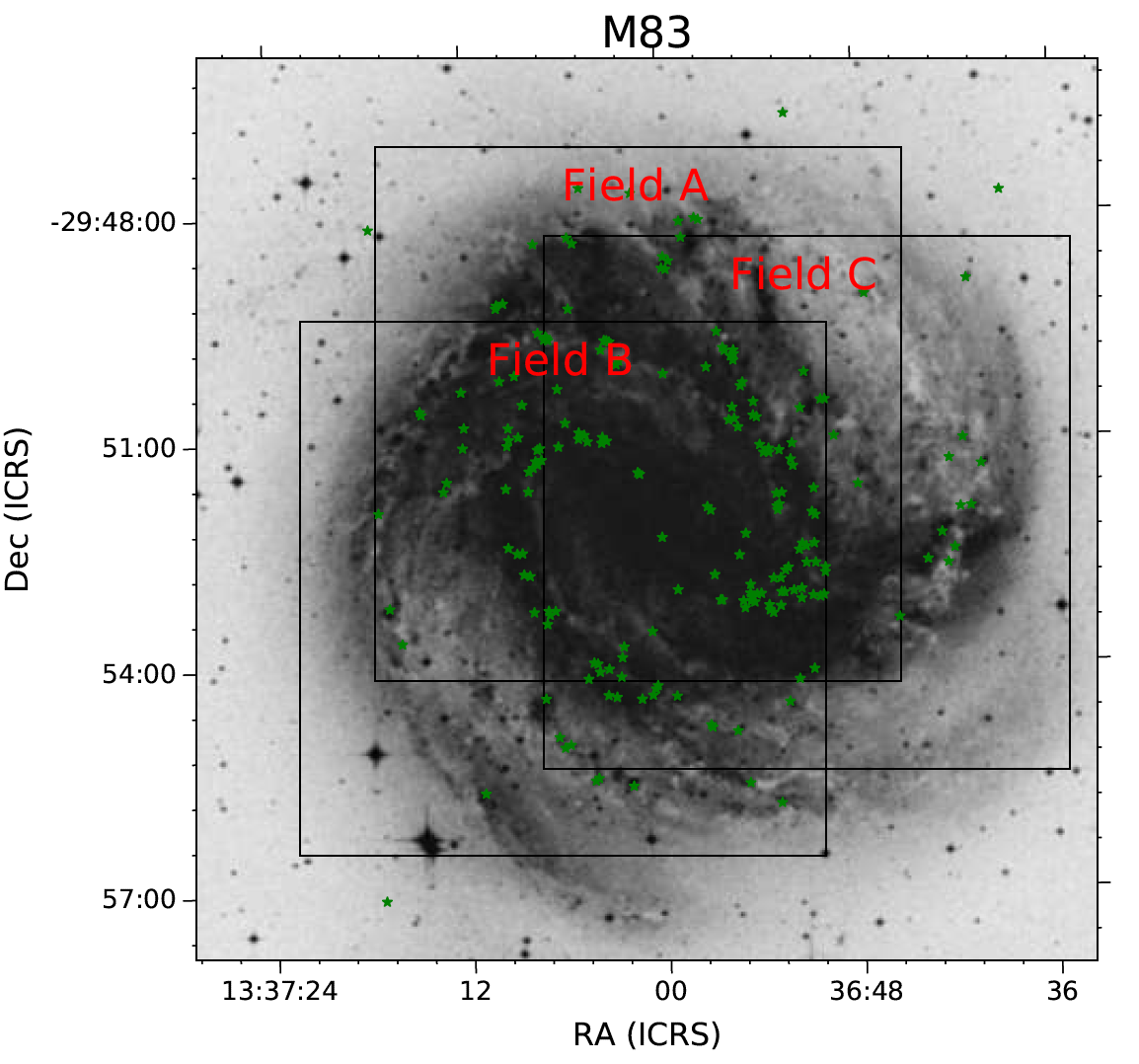
ASSESS (ERC Consolidator Grant)
Episodic Mass Loss in the Most Massive Stars: Key to Understanding the Explosive Early Universe
Principal Investigator (2018–2024)
The goal of the ASSESS project was to determine the role of episodic mass loss in the evolution of the most massive stars by conducting the first extensive, multi-wavelength survey of evolved massive stars in the nearby Universe. The project combined multi-wavelength observations, variability studies, and theoretical modeling to understand how mass loss shapes the fate of the most massive stars in the local and early Universe.
Project website: http://assess.astro.noa.gr
NELIOTA
Near-Earth object Lunar Impacts and Optical TrAnsients
Principal Investigator (2015–2023), Project Manager (2025–present)
NELIOTA is an ESA-funded project dedicated to monitoring lunar impact flashes caused by Near-Earth Objects using the 1.2-m Kryoneri telescope. The project produced the first validated catalogue of lunar impact flashes and provided important constraints on the size distribution of small NEOs. Check out the ESA press releases from 2017, 2018, 2020, 2025.
Project website: https://neliota.astro.noa.gr/
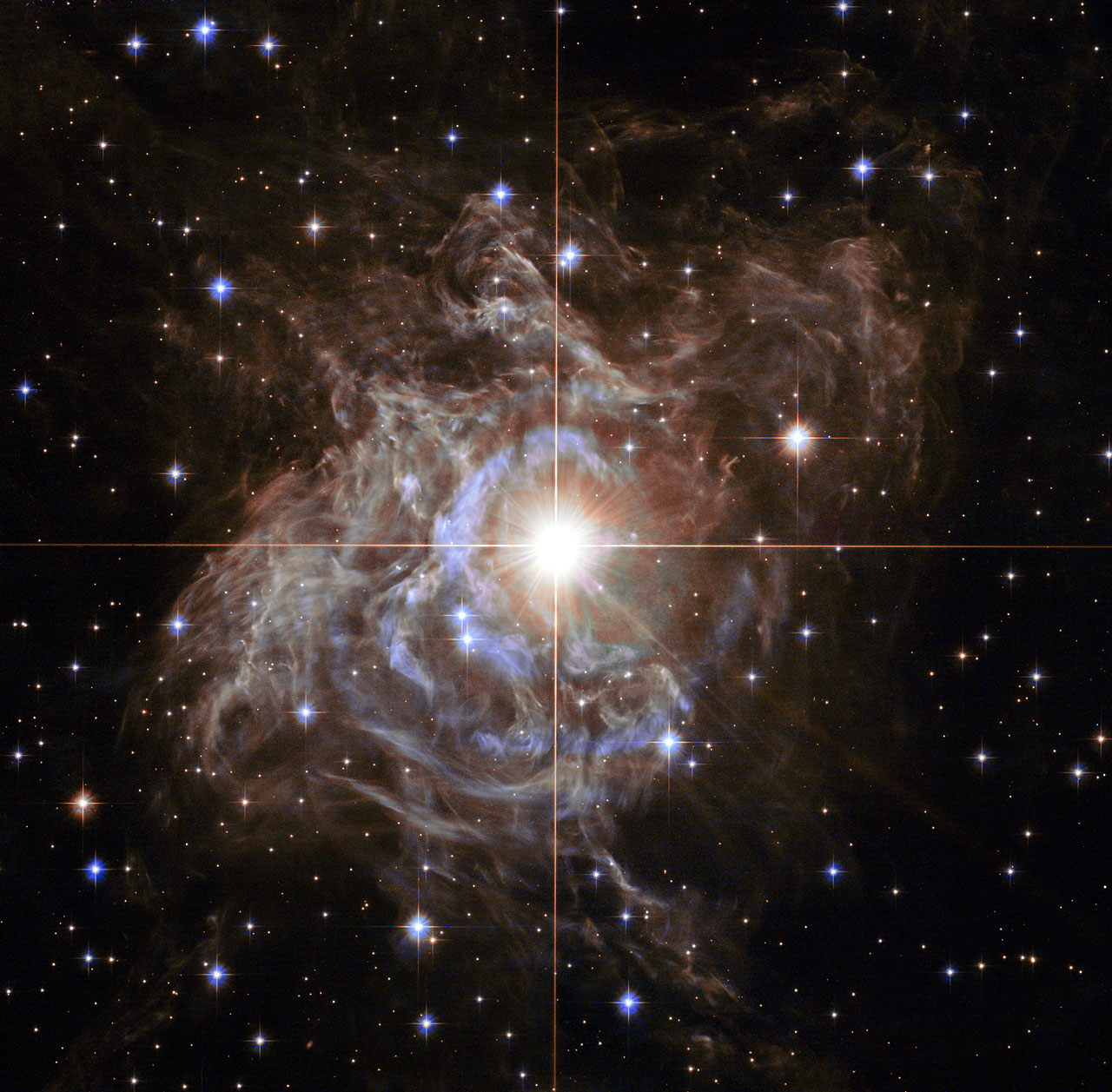
Hubble Catalogue of Variables
Principal Investigator & Project Scientist (2015–2019)
This ESA project created a homogeneous catalogue of variable sources observed with the Hubble Space Telescope. The catalogue enables time-domain studies of stellar populations across nearby galaxies and serves as a legacy dataset for the community. More info is available in the press release.
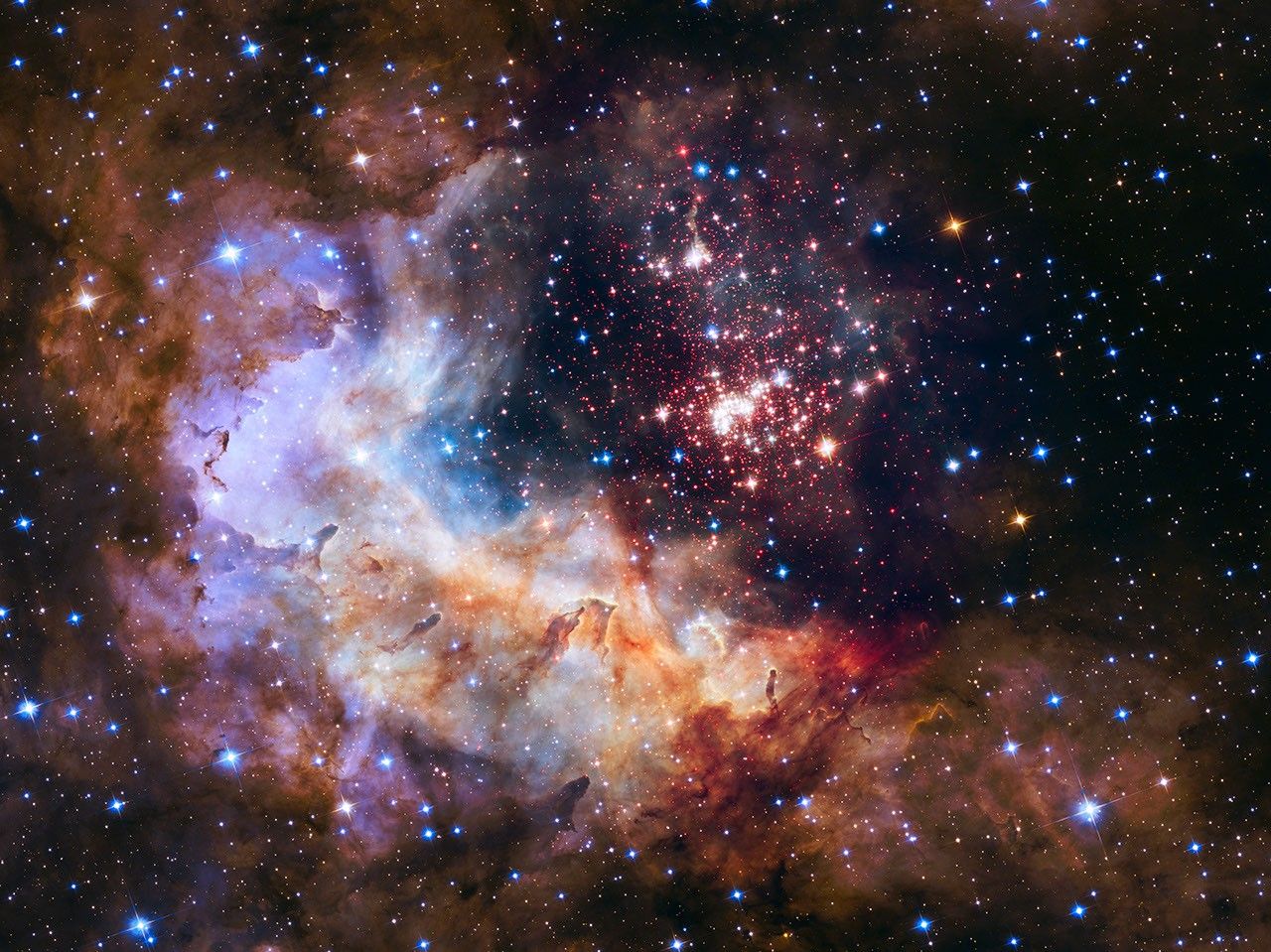
Most Massive Stars in the Local Universe
Postdoctoral and early-career research, Marie Curie IRG (2009-2013)
This research effort focused on the fundamental parameters of massive stars, such as masses and radii determined from eclipsing binary systems. The goal was to determine what the upper limit on the mass of a star is, to constrain stellar formation and evolution models and understand the progenitors of x-ray binaries, supernovae and gamma-ray bursts. The press release about the heavyweight champion, WR 20a, consisting of two 80 solar mass stars with the most accurate measurement to date, is available here.
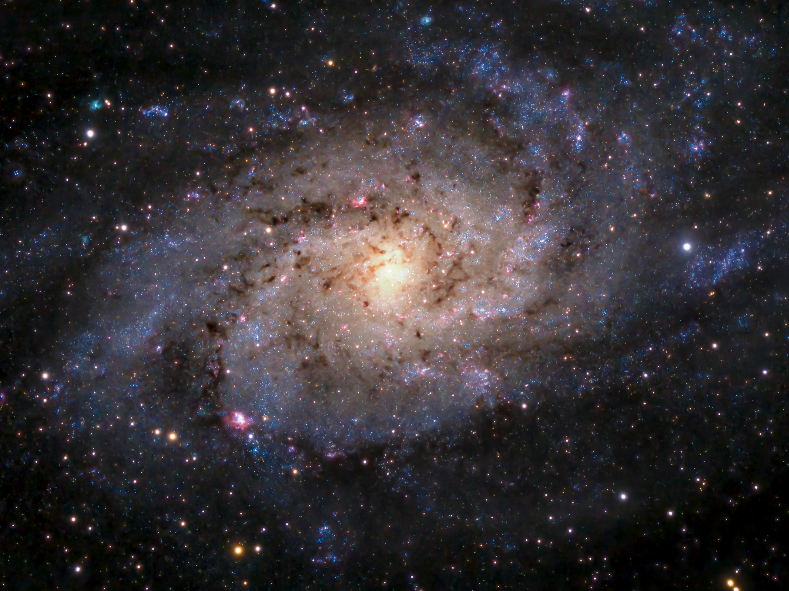
Distances to Nearby Galaxies
PhD research
My PhD focused on improving the extragalactic distance scale using Cepheids and eclipsing binaries. The work contributed the first determination of a distance to an early-type detached eclipsing binary in M33.